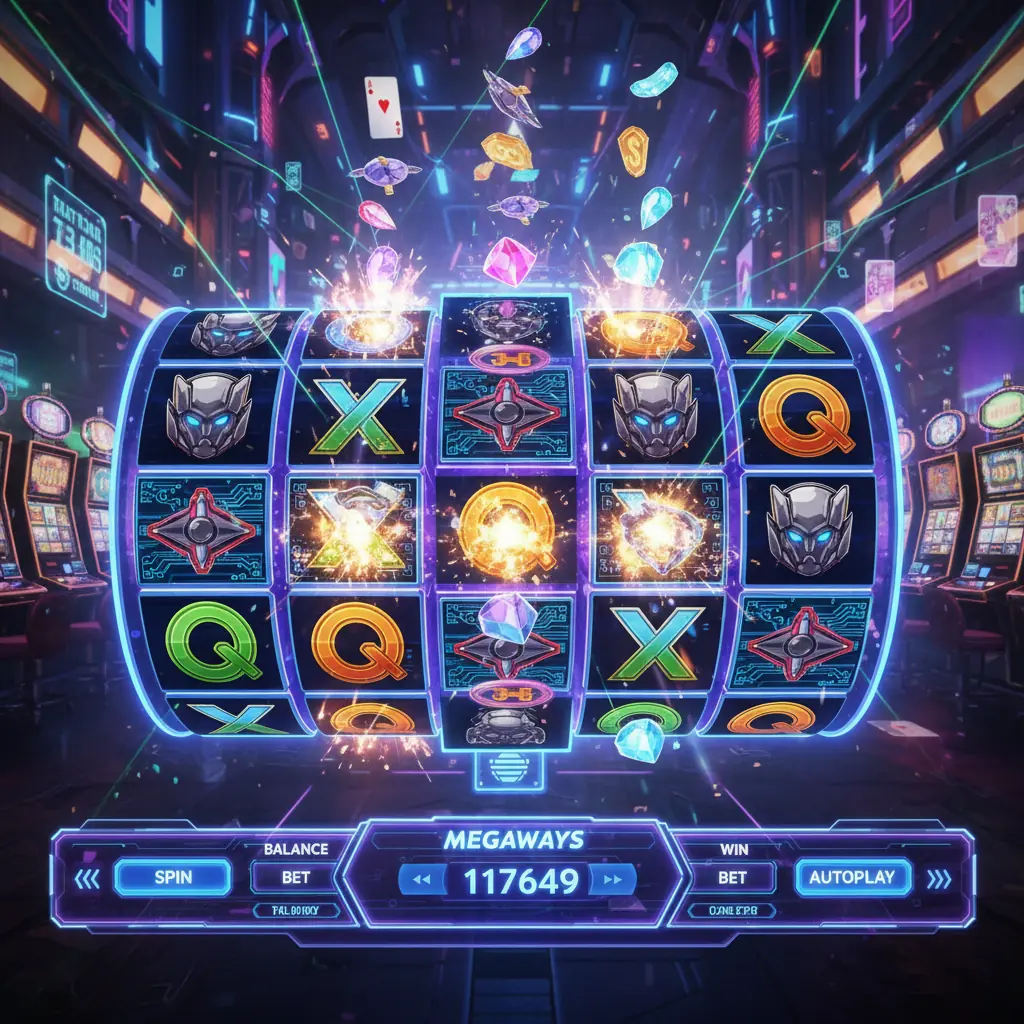

Ever walked into a casino and felt instantly captivated? The flashing lights, the rhythmic sounds of slots, the palpable excitement in the air – it’s a carefully orchestrated environment designed to enthrall. It’s like stepping into another world where fortunes can be won or lost in the blink of an eye. We’ve all heard stories, maybe even experienced firsthand, the magnetic pull of casino games.
Casinos aren’t just about chance; they’re about crafting immersive experiences. Game design plays a crucial role, employing psychological tactics to maximize casino engagement and extend playtime. But how exactly do casinos keep players hooked? What are the subtle yet powerful strategies at play behind the spinning reels and dealt cards? This article pulls back the curtain on these gambling tactics, revealing the techniques casinos use to enhance engagement.
Understanding these strategies is the first step towards responsible gambling. By becoming aware of the psychological principles at play, players can make more informed decisions, set realistic limits, and ultimately enjoy casino games without falling prey to their manipulative designs. Consider this your insider’s guide to navigating the world of casino engagement, armed with knowledge and a healthy dose of skepticism.
The Psychology of Persuasion
Intermittent Reinforcement: The Power of Unpredictability
Casinos thrive on the principle of intermittent reinforcement, where rewards are dispensed unpredictably. This creates a powerful behavioral loop. Unlike consistent rewards, variable rewards keep individuals engaged longer because they never know when the next payout will arrive. Consider a slot machine: it doesn’t pay out every time, but the occasional win is enough to encourage continued play. This echoes classic operant conditioning, where the uncertainty of the reward is what makes it so effective.
Loss Aversion: Feeling the Sting of Loss
Loss aversion is a cognitive bias where the pain of losing is psychologically more powerful than the pleasure of an equivalent gain. This deeply ingrained human tendency compels people to avoid losses, often leading to irrational decisions. In a casino setting, loss aversion can manifest when a gambler, after experiencing some losses, becomes determined to recoup those losses, leading to increased risk-taking and potentially larger losses. The desire to “break even” overrides logical decision-making.
The Near-Miss Effect: Almost Winning Is Still a Win
The near-miss effect is a cognitive distortion where an outcome that is close to a win is perceived as encouraging, even though it is technically a loss. This is extremely evident in slot machines where, for example, two out of three jackpot symbols line up. Although the player didn’t win, the near-miss activates the brain’s reward system, creating the illusion of control and the belief that a win is imminent. Slot machine algorithms are designed to produce these near-misses frequently, artificially inflating the player’s perception of their chances of winning the jackpot and enticing them to keep playing.

Designing for Immersion
Casino and online game design leverages specific elements to forge an immersive and engaging experience. These designs aren’t accidental; they are the result of understanding human perception and psychology. Game sounds, visual stimuli, and user interface design all work in harmony to keep players engaged and invested. Flashy lights, carefully selected sounds, and intuitive interfaces have been proven over time to enhance the gambling experience.
The Power of Sound: Auditory Seduction
Sound design plays a crucial role in manipulating emotions and creating a sense of urgency. The strategic use of auditory stimuli can significantly enhance the excitement of gambling. Consider the distinct, celebratory sound of winning – a cascade of coins, a triumphant melody. This isn’t just a notification; it’s a carefully crafted sonic reward that reinforces behavior, triggering a positive emotional response and encouraging continued play. Even ambient casino noise, a blend of cheering, shuffling cards, and spinning reels, contributes to a heightened state of anticipation.
Visual Tricks: The Allure of Light and Color
The vibrant colours and dynamic lighting aren’t just for show; they are key components of casino and game design. Colour psychology suggests that warm colours like red and yellow can evoke feelings of excitement and energy, while blues and greens can create a sense of calm (though less used for that purpose). Flashing lights and carefully choreographed animations heighten the sense of excitement and anticipation. Casinos and online games strategically use these visual elements to captivate players and keep them glued to the screen.
Intuitive Interfaces: Streamlining the Experience
An intuitive user interface (UI) is paramount to delivering a seamless and engaging experience, especially in online casino and gaming environments. Interface design is carefully calculated to minimize cognitive friction and maximize time spent playing. Clear navigation, simplified controls, and easily accessible information are essential features. In essence, the best UIs fade into the background, allowing players to focus solely on the game itself without any distractions. The goal is to create an experience as smooth and effortless as possible, allowing players to gamble as fast as possible.
The Role of Rewards and Incentives
Casinos harness a sophisticated arsenal of rewards and incentives to cultivate enduring customer loyalty and encourage prolonged engagement. These strategies, ranging from ubiquitous loyalty points to exclusive VIP programs, are meticulously designed to deepen the player’s connection with the casino and stimulate continued play.
Loyalty Points: The Illusion of Value
Loyalty point programs operate on a simple premise: the more a player wagers, the more points they accumulate. These points can then be redeemed for various perks, creating a sense of perceived value. While players believe they are gaining tangible benefits, the actual monetary value of these points is often marginal. Nevertheless, the psychological effect is potent, as loyalty points foster a feeling of progression and reward, enticing players to continue chasing the next level of redemption.
Bonuses and Promotions: The Promise of More
Casino bonuses and promotions serve as powerful magnets, attracting new players and incentivizing existing ones. Welcome bonuses, for instance, offer newcomers a boost to their initial bankroll, while deposit match bonuses reward players for adding more funds. However, these enticing offers often come with strings attached, such as wagering requirements that dictate how many times the bonus amount must be wagered before it can be withdrawn. Understanding these terms and conditions is crucial, as unmet requirements can render the bonus unusable.
VIP Programs: The Lure of Exclusivity
For high rollers, VIP programs offer a gateway to a world of exclusive benefits and personalized service. These programs typically feature tiered levels, with each tier unlocking increasingly lavish rewards. From dedicated account managers and personalized gifts to invitations to exclusive events and higher betting limits, VIP membership cultivates a sense of belonging and prestige. This allure of exclusivity serves as a strong motivator, encouraging players to maintain their high-spending habits in order to retain their VIP status and continue enjoying its privileges.

Beyond the Game: The Casino Ecosystem
Casinos are more than just buildings; they are meticulously crafted ecosystems designed to maximize the time and money patrons spend gambling. Every element, from the layout to the subtle psychological cues, works in concert to create an immersive and captivating environment. The absence of natural light disorients visitors, blurring their sense of time. The constant hum of activity, the flashing lights, and the clatter of chips create a sensory overload that keeps players engaged. Even the availability of readily accessible ATMs ensures that the flow of money never stops. The strategic placement of restaurants and entertainment venues encourages guests to stay within the casino’s confines, further contributing to the immersive experience.
The Curving Hallways
One of the most disorienting—and effective—elements of casino design is the use of curving hallways. Unlike the straight lines and clear pathways of a typical building, casinos favor winding corridors that lead you past a variety of tempting games. The intention is to create a sense of exploration and discovery, encouraging you to linger and perhaps try your luck at a machine you might otherwise have missed. It’s easy to get lost, and that’s precisely the point. I myself recall wandering through a maze of slot machines, only to realize I had been circulating the same area for a while, dropping more money at each pass. The architecture subtly guides behavior, making it easier to get lost in the thrill of the game and harder to leave.
Ethical Considerations and Responsible Gambling
Casinos are designed to be alluring, and it’s easy to get caught up in the thrill. Having spent considerable time observing the casino environment, it’s evident that persuasive techniques are pervasive. The flashing lights, the sounds of winning, and even complimentary drinks all contribute to an atmosphere that can cloud judgment. It’s crucial to be aware of this and approach gambling with a clear understanding of the potential risks.
Recognizing Problematic Gambling Behavior
One of the first steps in responsible gambling is recognizing the signs of a potential problem. From observations, these signs can range from chasing losses – trying to win back money already lost – to gambling with money intended for essential expenses. Another red flag is when gambling starts to affect relationships, work, or overall well-being. If any of these signs are present, it’s important to take a step back and assess the situation objectively.
Setting Limits and Boundaries
To avoid getting dragged into the game, it’s essential to set firm limits and boundaries before even entering a casino or engaging in any form of gambling. Decide on a specific amount of money to spend and stick to it, no matter what. It’s also wise to set a time limit. The longer you gamble, the more likely you are to make impulsive decisions. Consider leaving credit and debit cards at home, taking only the predetermined cash amount. Self-exclusion programs, offered by many casinos, are another option for those who need more stringent controls.
Seeking Help and Support
Problem gambling can feel isolating, but it’s important to remember that help is available. Numerous resources exist, including support groups and specialized therapy programs. These resources provide a safe and confidential space to share experiences, develop coping strategies, and receive guidance from trained professionals. Recognizing the need for help and actively seeking it is a sign of strength, not weakness, and is a crucial step towards regaining control.
Conclusion
Navigating the world of casino engagement requires a delicate balance. While the allure of potential winnings and the excitement of the game are undeniable, it’s crucial to approach gambling with a clear understanding of the risks involved. This exploration has hopefully illuminated strategies for maintaining control, recognizing potential problems, and seeking help when needed. Remember, the goal is entertainment, not financial ruin.
Responsible gambling isn’t just about protecting yourself; it’s about respecting the integrity of the gaming environment and the well-being of others. Gambling awareness is a continuous process, one that requires ongoing education and a commitment to making informed decisions. By staying informed, setting limits, and prioritizing well-being, individuals can engage with casinos responsibly, ensuring that the experience remains a source of entertainment rather than a path to potential harm. The ethical issues surrounding gambling are significant, and a mindful approach is essential for both personal well-being and the broader societal impact.