

Ever been lured in by that gleaming “98% RTP” plastered across a slot game, only to watch your bankroll vanish faster than a free buffet on a cruise ship? You’re not alone. Many slot enthusiasts treat Return to Player (RTP) as the holy grail, the single number that guarantees a path to riches. The truth, however, is far more nuanced – and often disappointing if you rely solely on that one enticing figure. Slots, like life, are governed by a complex interplay of forces.
This isn’t about debunking RTP altogether. It’s about equipping you with the knowledge to see beyond the hype. We’ll explore the crucial, often overlooked, factors that truly dictate your winning potential, from the thrilling highs and lows of volatility to the frequency of those oh-so-satisfying “hit” moments. Consider this your guide to navigating the exciting, and sometimes perplexing, world of slot machines and online slots, ensuring you’re making informed decisions and understanding the real odds of the game. It’s time to take control and move beyond simply chasing the highest RTP.
Decoding RTP: What It Really Means (and Doesn’t)
RTP, or Return to Player, is a theoretical calculation representing the percentage of wagered money a specific slot machine or casino game will pay back to players over an extended period, typically millions of spins or game rounds. It’s a long-term average, derived from dividing the total amount paid out to players by the total amount wagered. So, if a slot has an RTP of 96%, theoretically, for every $100 wagered, the game will return $96 in winnings over its lifespan.
Crucially, RTP is not a guarantee of individual results. It doesn’t dictate what will happen during any single gaming session. Calculating RTP is a mathematical exercise, with an inverse relationship to the house edge. The house edge represents the casino’s profit margin. For example, a game with a 96% RTP has a 4% house edge. Understanding this difference is really important. What RTP doesn’t measure is the short-term volatility that a player actually experiences, the length of a playing session, or the random nature of individual spins.
Think of it like this: flipping a fair coin has a 50% RTP for heads. This doesn’t mean that if you flip a coin 10 times, you’re guaranteed to get exactly 5 heads; you might get 7, 3, or even 10. RTP works the same way. Over many spins, the payouts will tend to converge towards the theoretical RTP, but any individual gambling session can deviate wildly. It’s a guide to the game’s inherent profitability over time, not a predictor of your next spin.
Common RTP Misconceptions
Many players misunderstand RTP, leading to unrealistic expectations. One common myth is that a high RTP guarantees wins. It doesn’t. Another mistaken belief is that all slots with the same RTP are identical. In reality, games can achieve the same RTP with wildly differing volatility, bonus features, and payout structures. A further misconception is that the published RTP applies to every single session. It’s vital to remember that RTP is a theoretical, long-term average. Your individual experience will be determined by chance and the specific game’s volatility, irrespective of the stated RTP.

The Volatility Factor: Understanding Risk and Reward
Slot volatility, also known as variance, is a crucial element to understand when diving into the world of online and land-based slot machines. It’s essentially a measure of the risk involved and the potential reward you might reap. Think of it as the heartbeat of a slot game – some beat steadily, offering frequent little thrills, while others pound erratically, promising infrequent but massive adrenaline rushes.
Let’s break it down: low volatility slots are like a steady paycheck. You win more often, but the payouts are generally smaller. They’re the marathon runners of the slot world, keeping you in the game longer with a relatively stable bankroll. On the other hand, high volatility slots are like buying a lottery ticket. Wins are less frequent, but when they hit, they can be substantial, even life-changing. These are the sprinters – they can burn through your bankroll quickly, but offer the chance for a massive score.
Medium volatility slots, as you might guess, sit somewhere in between. They offer a balance of payout frequency and size, a comfortable middle ground for players who want some excitement without excessive risk. It’s really important to grasp volatility because two slots with the exact same Return to Player (RTP) percentage can feel wildly different depending on their volatility. One might drip-feed you wins, while the other keeps you waiting for a potential jackpot.
Examples of slots known for their high volatility include “Book of Ra” and “Dead or Alive 2”. These games can eat up your balance quickly but offer the potential for huge multipliers and massive wins. On the lower volatility end, you might find games like “Starburst,” which are known for their frequent, smaller payouts, extending your playtime and giving you a steady stream of small victories.
How Volatility Affects Your Bankroll
Your bankroll and your risk tolerance should heavily influence your slot selection. If you’re working with a smaller bankroll, sticking to lower volatility slots is generally the wiser move. This allows you to withstand the natural fluctuations of the game and extend your playtime. High volatility slots demand a much larger bankroll to weather the inevitable losing streaks while waiting for a big win. Before spinning, do your research. Check online slot reviews, pay attention to the payout table (larger jackpots often indicate higher volatility), and always gamble responsibly, keeping your limits in mind.
Hit Frequency: How Often You Win (and Why It Matters)
Hit frequency, often referred to as slot hit rate or win frequency, represents the percentage of spins on a slot machine that result in a payout. It’s a crucial element in shaping player experience and driving slot machine engagement, sometimes even more so than the overall return-to-player (RTP) percentage. Think of it this way: hit frequency influences a player’s perceived ‘win rate’ during a session. Even if the game is designed to take more than it gives back over the long run, a higher hit frequency can create the illusion of more frequent victories, keeping players entertained and engaged.
To illustrate, imagine two slot games, both boasting a 95% RTP. Game A has a low hit frequency, meaning wins are infrequent but potentially large when they occur. Game B, on the other hand, features a high hit frequency, delivering smaller, more consistent wins. While both games theoretically return the same percentage of wagers over time, Game B will likely feel more rewarding to many players. The constant trickle of wins, even small ones, provides a sense of accomplishment and fuels the desire to keep playing. This highlights how slot machine engagement is deeply intertwined with the psychological impact of win frequency.
Hit Frequency vs. Payout Size
Slots with low hit frequencies can sometimes lead to frustration. As a result of the infrequency of wins, the game becomes a test of patience. Nonetheless, the anticipation of landing large payouts maintains the excitement. Slot hit rate dramatically shapes the gaming dynamic.
Beyond the Numbers: Other Factors Influencing Your Slot Experience
The Allure of Bonus Rounds
Slot machines are more than just calculations; they’re a carefully crafted experience. Although RTP, volatility, and hit frequency provide statistical insights, they do not fully explain why some slots become player favorites. One major element is the appeal of bonus rounds. These in-game events, which frequently feature free spins, mini-games, or unique payouts, provide a break from the regular reel spinning. The promise of discovering hidden treasures and enormous payouts adds a thrill factor that pure statistical analysis cannot capture. It’s crucial to realize that while bonus rounds improve excitement, they do not always significantly improve the total RTP. They’re a fantastic diversion, but smart players should consider them entertainment rather than a sure ticket to riches.
Game mechanics are also there to spice things up. Features like cascading reels, where winning symbols vanish and new ones fall into their place, can transform a single spin into a chain reaction of wins. Multipliers, which boost payouts by a specified amount, add another layer of excitement. A modest win combined with a substantial multiplier can provide a rush that rivals even the most profitable base game hits. These elements successfully turn the game more dynamic. However, multipliers frequently increase volatility, so while the possibility of huge wins exists, so does the danger of longer losing streaks.
The sensory experience of slots also has a substantial impact. The usage of vibrant colours, fascinating images, and engaging sound effects creates an immersive environment that draws players in. Slot themes, which range from ancient civilizations to fantastical realms, enable players to engage with the game on a more personal level. This is why some players like games with themes based on their favourite movies, television series, or hobbies. But gambling psychology shows that you must be aware of your own cognitive biases. The gambler’s fallacy, which would be the erroneous belief that past spins influence future results, can lead to bad decisions. Recognizing these biases and playing responsibly is critical for a fun and sustainable slot experience.
Strategies for Smarter Slot Play
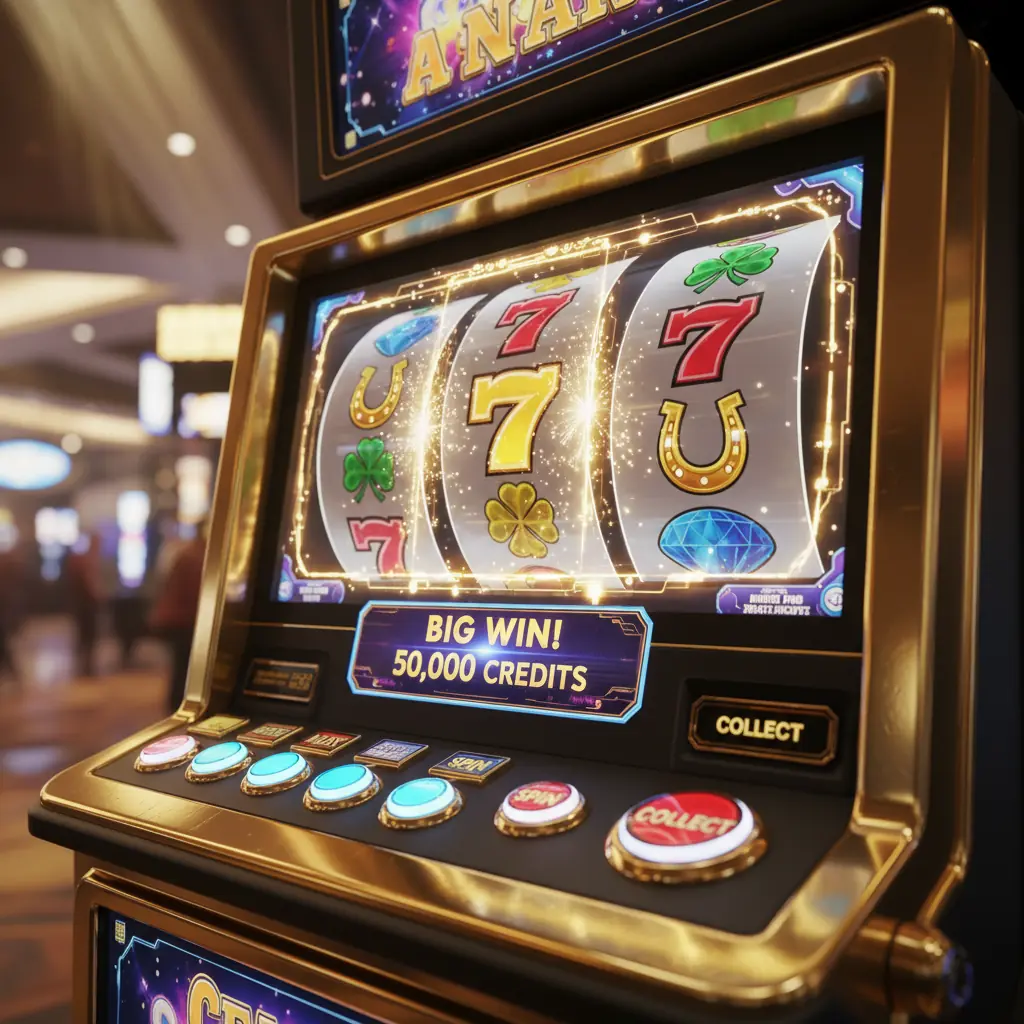
Stepping into the vibrant world of slot machines can be thrilling, but approaching them with a strategic mindset can significantly enhance the experience. Forget the myth of guaranteed wins – the real key lies in understanding how slots work and aligning your choices with your personal preferences and financial boundaries.
Slot selection is the first crucial step. Consider volatility: high volatility slots offer the chance of large payouts, but wins are less frequent. Low volatility slots provide more consistent, smaller wins. Your bankroll plays a big role here. If you have a smaller bankroll, sticking to low volatility options will likely extend playtime. If you’re comfortable with higher risk for potentially bigger rewards, then high volatility might be your preference.
Another factor to consider is hit frequency, which refers to how often a slot machine produces a winning combination. Slots with higher hit frequencies will deliver more frequent, albeit potentially smaller, wins. If you enjoy the feeling of winning often, these are a good choice.
Remember, slot machines are a form of entertainment, and responsible gambling is paramount. Always set a budget before you start playing. This leads us to the next crucial point.
Setting a Budget, and Sticking to It
Before even spinning the reels, decide on a specific amount you’re willing to spend. This is your entertainment budget, and it’s separate from essential expenses. Once you’ve reached that limit, stop playing. It’s that simple. Chasing losses can quickly lead to problem gambling, so maintaining firm control over your bankroll is absolutely essential for a positive and sustainable slot experience.
Conclusion
Return to Player offers insights into potential returns but shouldn’t be the sole factor in choosing a slot. RTP is a theoretical calculation, not a guaranteed outcome. Success requires a blend of luck, understanding game mechanics, and responsible bankroll management. Winning remains unpredictable. Consider RTP as one piece of a larger puzzle and always gamble responsibly, understanding the risks involved.